
What Is a Parking Barrier? Types, Uses, and How It Works
Release time:
2026-10-30
AI Summary
Bottom line: the Baroxon® barrier and gate accessory handles OEM replacement and field retrofit of existing lanes at a 15 s cycle, IP54 rated.
What Is a Parking Barrier? Types, Uses, and How It Works
What Is a Parking Barrier?
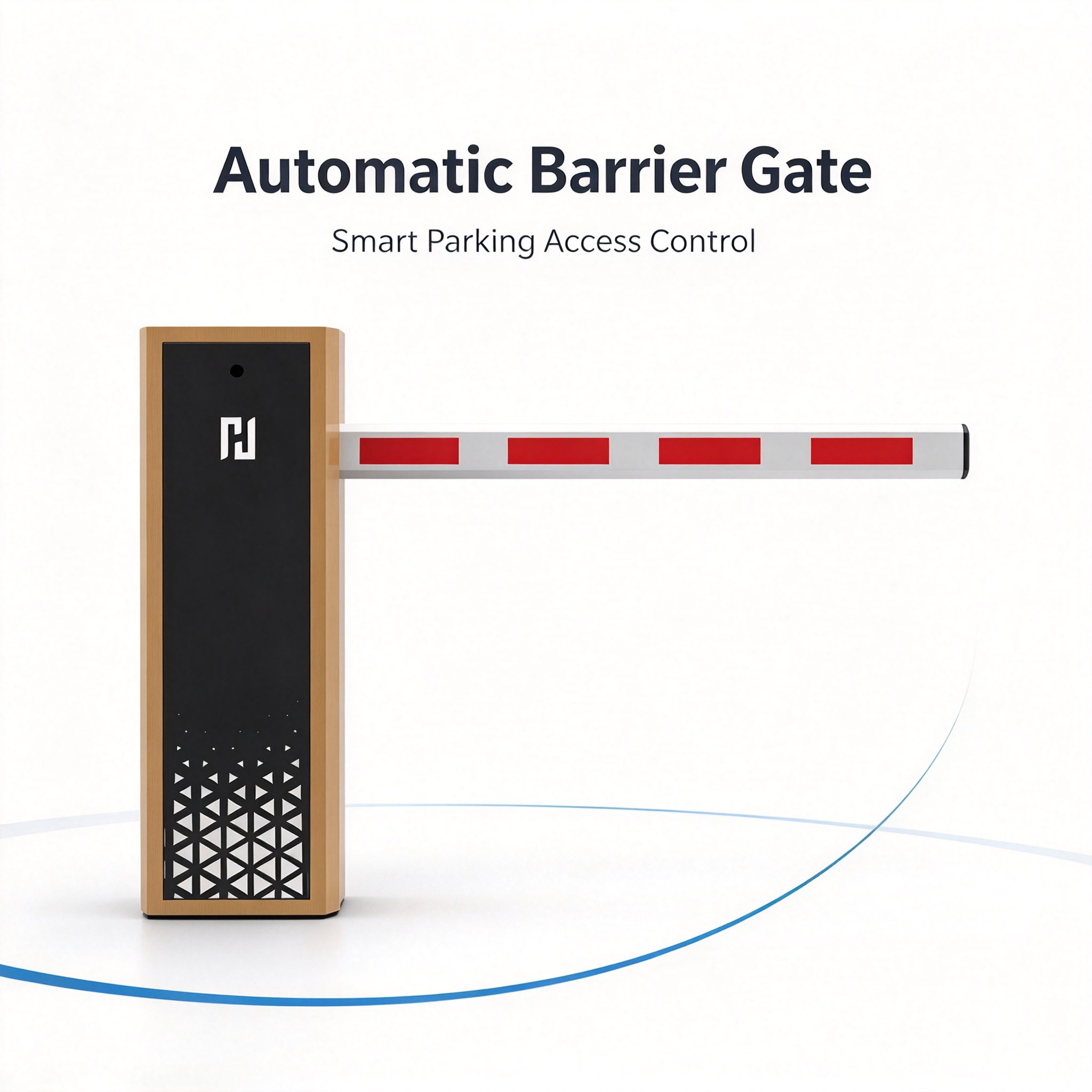
A parking barrier is a system for controlling vehicle entry and exit, typically installed at the entrances and exits of parking lots or private facilities. It usually consists of a control unit equipped with a motor and a movable boom arm that rises to allow a vehicle to pass and lowers to close the lane. This solution is also known as a boom gate or automatic boom barrier, and is used to organize vehicle traffic and enhance access control.
Parking barriers are used in the UAE in residential towers, gated communities, shopping malls, office buildings, hotels, warehouses, industrial areas, and public facilities. They can be operated independently using a remote control, or linked to a ticketing system, RFID card, or ANPR/LPR automatic number plate recognition camera.
What Are the Types of Parking Barriers?
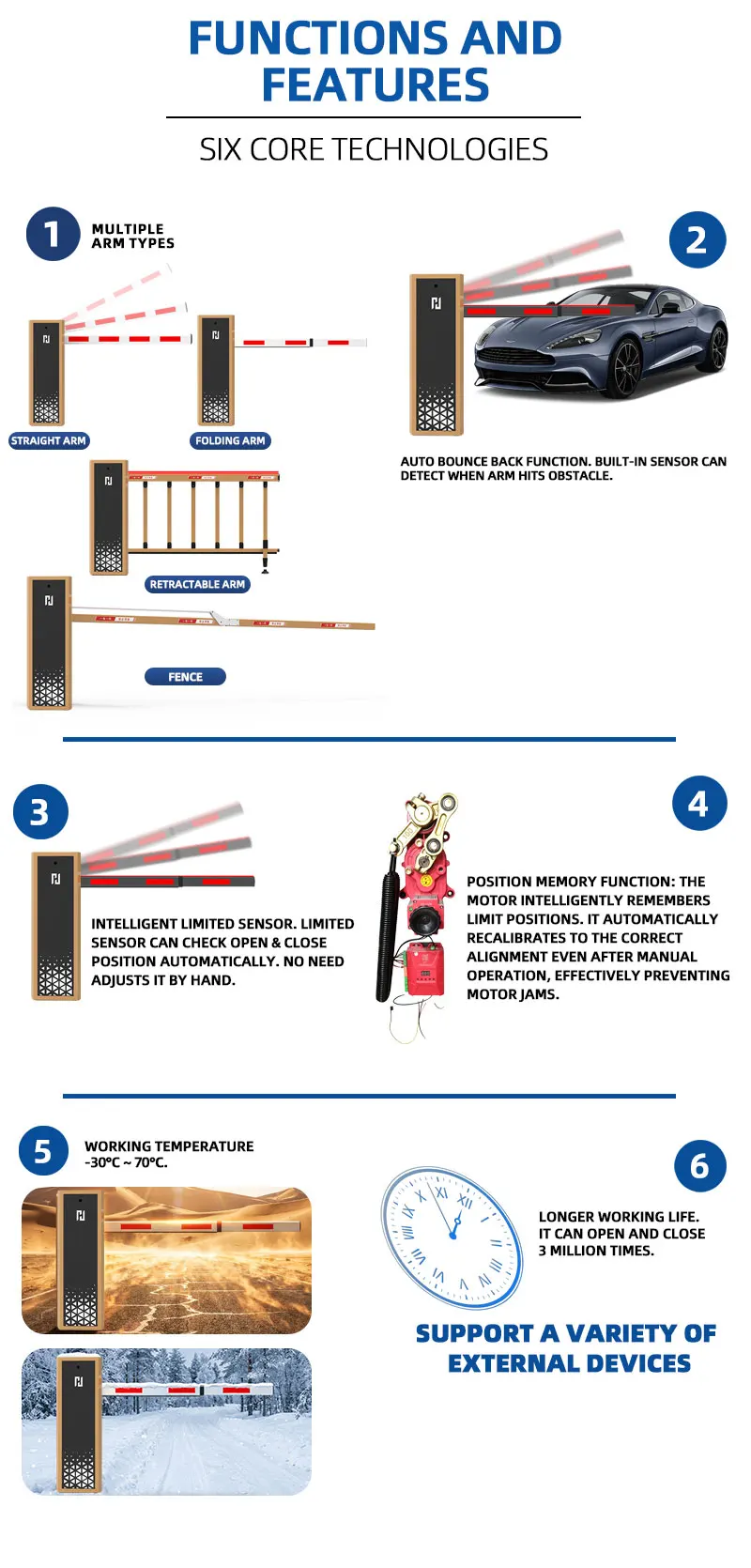
The suitable type depends on lane width, ceiling height, vehicle traffic volume, site conditions, and the method of verifying entry authorization. BAROXON solutions include automatic boom barriers, high-speed barriers, folding-arm barriers, and integrated control systems with RFID, ANPR/LPR, and radar sensors.
1. Straight Boom Barrier
The straight boom barrier uses a horizontal arm that rises and lowers to open and close the lane. It is a popular choice for outdoor and indoor parking entrances, commercial and residential building parking, when sufficient height is available for the arm movement. The arm length should be selected based on the lane width and site requirements.
2. Folding Boom Barrier
The folding boom barrier has a hinged arm that folds when opening, making it suitable for locations with limited vertical clearance, such as underground parking entrances or areas with overhead obstructions. The available movement space and ceiling height should be verified before selecting the model.
3. High-Speed Parking Barrier
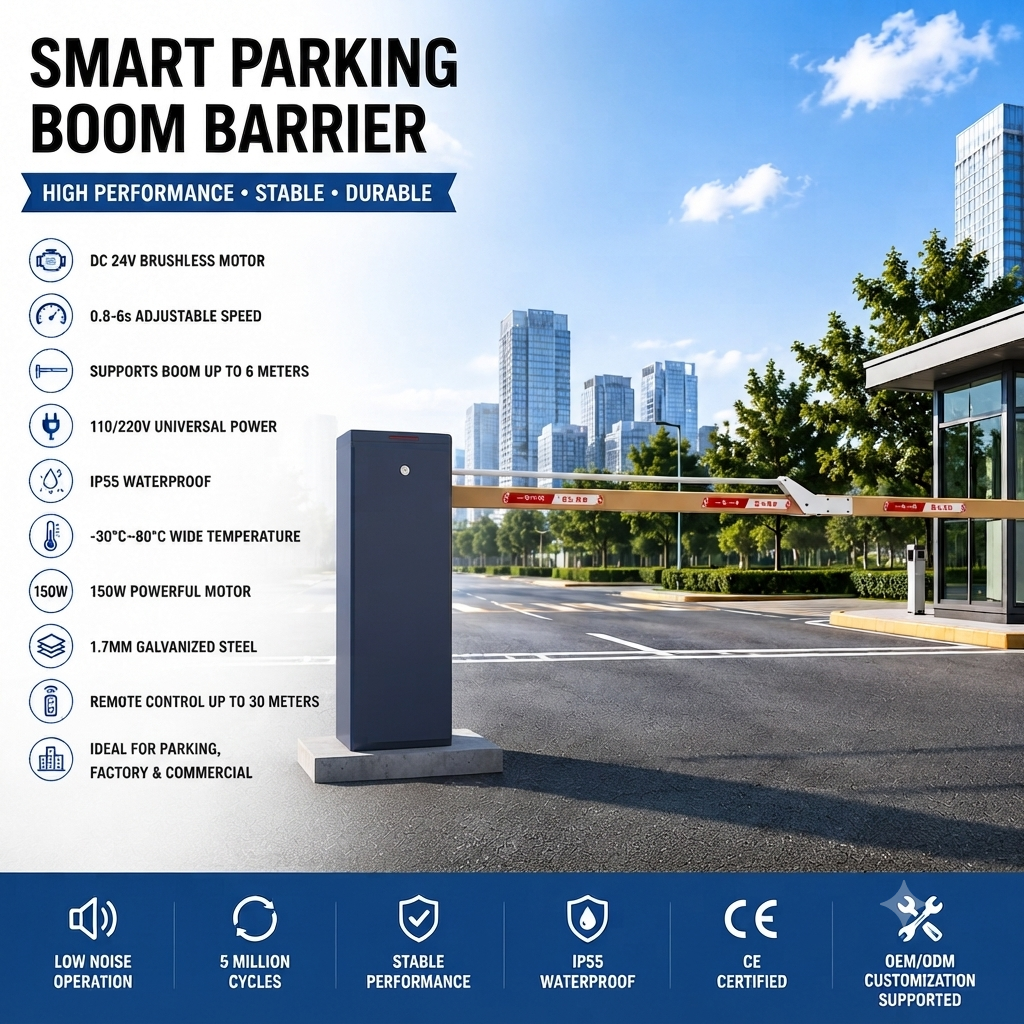
The high-speed parking barrier is designed for entrances that require frequent opening and closing and reduced vehicle waiting times, such as commercial parking, transit centers, and logistics areas. BAROXON solutions offer adjustable operating speeds; the site specifications mention an approximate range of 1.5 to 6 seconds depending on the model and configuration. The operating speed should be matched with the arm length, traffic density, and safety requirements.
4. Heavy-Duty Boom Barrier
The heavy-duty barrier is used at entrances with heavy traffic or large vehicles, such as factories, warehouses, distribution centers, and weighbridge areas. When selecting, the daily operating cycle, arm length, motor capacity, structural build, and crash protection features should be reviewed.
5. Integrated Barrier with RFID or ANPR/LPR
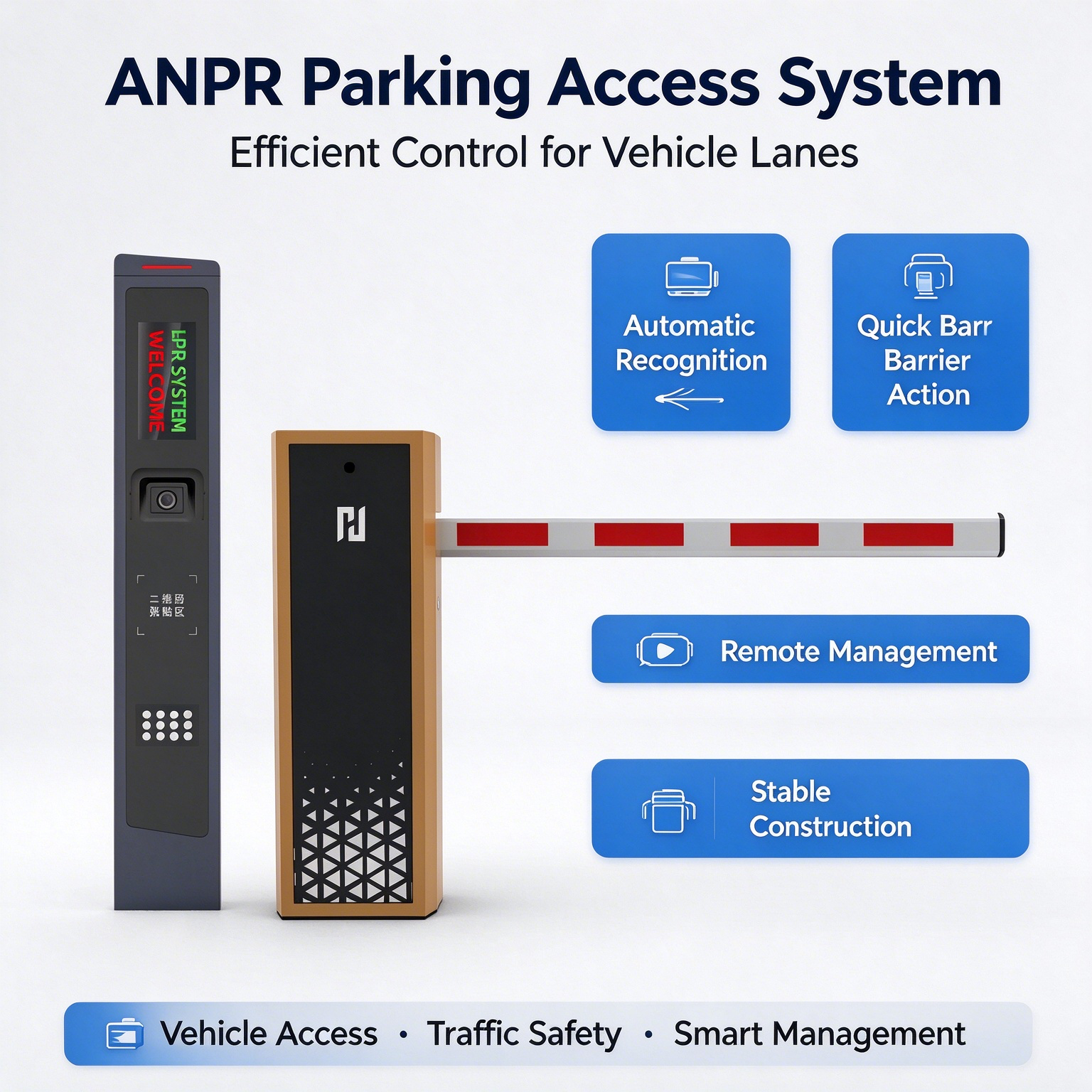
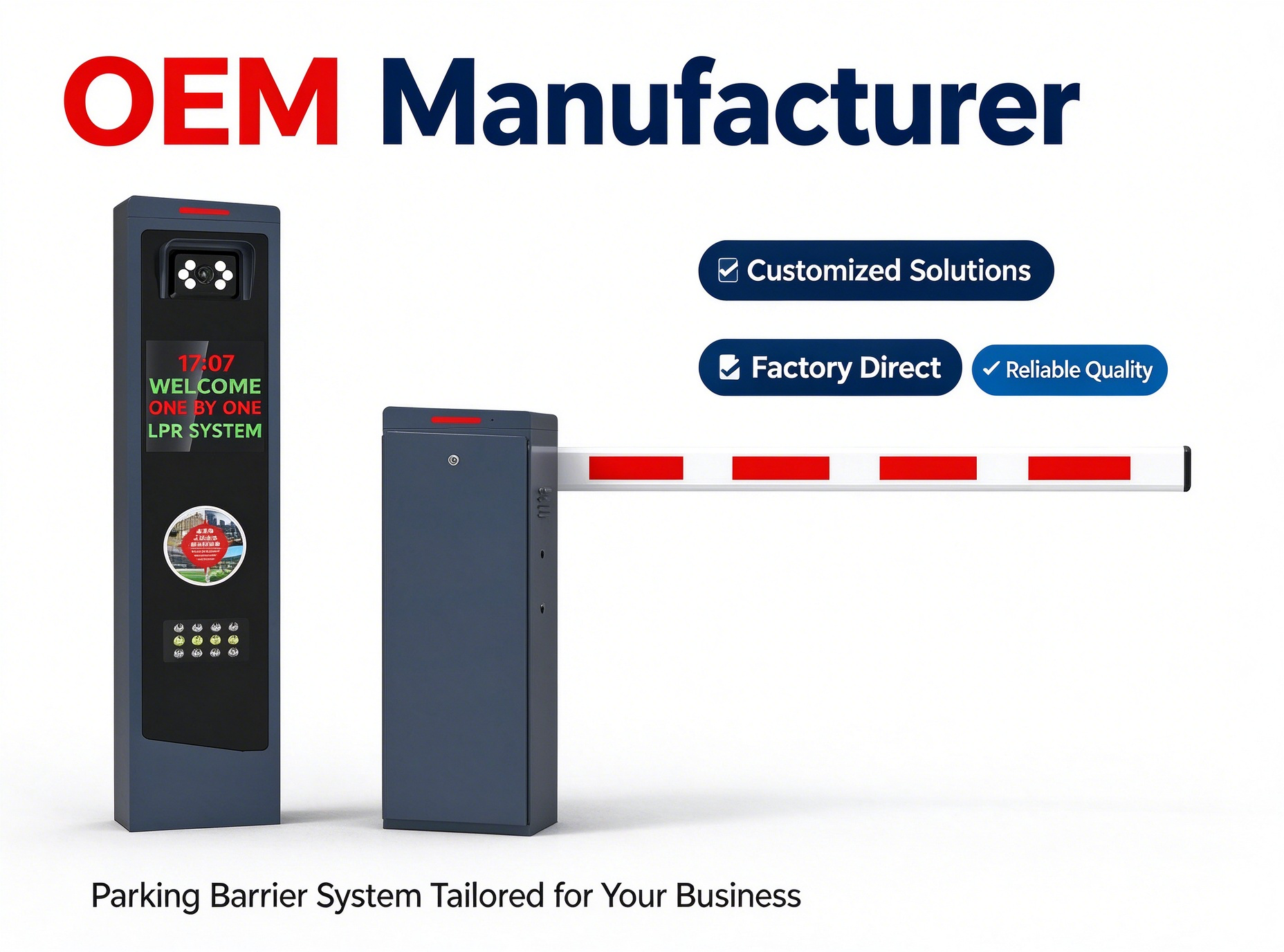
The vehicle barrier can be linked to an RFID reader to verify a vehicle card or tag, or to an ANPR/LPR camera to read the license plate and identify authorized vehicles. Integration with parking management software helps record entry and exit transactions and manage resident and visitor vehicle lists, according to system settings.
How Does a Parking Barrier Work?
The barrier gate operates through a control unit, motor, and boom arm movement mechanism. Upon receiving a valid entry signal, the control unit activates the motor to raise the arm. After the vehicle passes and the movement area is confirmed clear, the system sends a closing command according to operating settings and connected sensors.
Typical Operating Sequence
- Vehicle verification: The system reads an RFID card, QR code, or ticket, or recognizes the vehicle license plate using an ANPR/LPR camera.
- Send open command: After accepting the entry data, the control unit sends a signal to the barrier motor.
- Raise the arm: The arm rises to open the vehicle lane.
- Detect vehicle passage: A ground loop sensor, radar sensor, or other detection methods can be used to detect the vehicle presence.
- Close the lane: After the vehicle leaves the danger zone, the arm returns to the closed position according to the defined control logic.
Where Are Parking Barriers Used in the UAE?
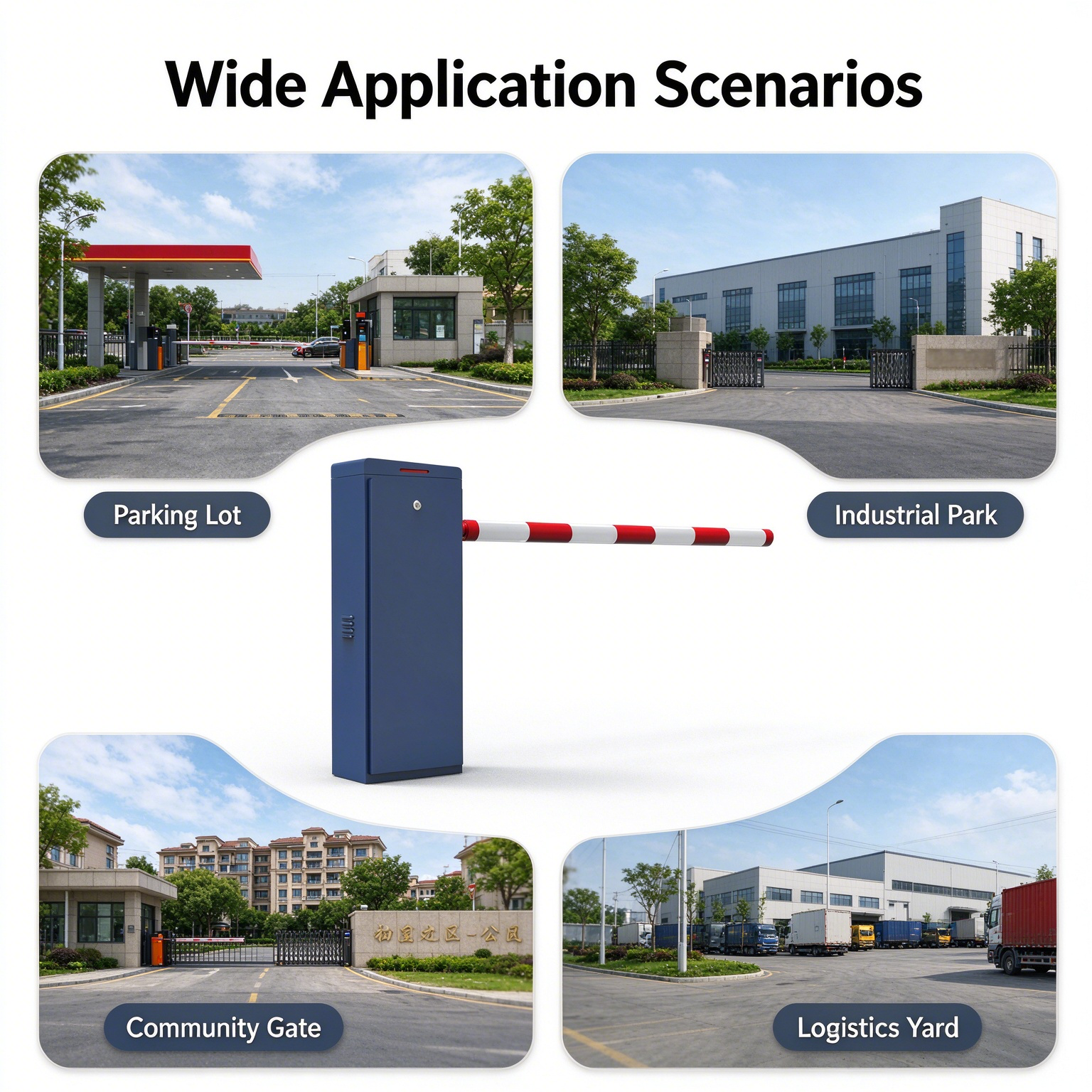
Vehicle control requirements vary from site to site. Below are examples of applications suitable for barrier solutions and integrated parking systems:
- Residential communities and towers: Managing resident and visitor entry, linking the barrier to authorized vehicle lists and ANPR/LPR systems as needed.
- Shopping malls and hotels: Managing vehicle traffic during peak hours and linking the barrier to ticketing or parking systems.
- Offices and business complexes: Allocating lanes for employees and visitors and recording entry and exit transactions.
- Factories and industrial areas: Controlling truck and employee vehicle entry, with integration options for RFID, radar, and positioning systems.
- Warehouses and logistics centers: Organizing fleet and delivery vehicle movement at gates and loading areas.
- Airports, ports, and transit centers: Using high-speed solutions and lane control per operational and security requirements.
- Government, educational, and healthcare facilities: Organizing staff and visitor parking and allocating priority vehicle lanes.
What Are the Benefits of Using an Automatic Parking Barrier?
A parking barrier helps organize vehicle traffic and establishes a clear control point for entry and exit. When integrated with an appropriate vehicle recognition system, sensors, and management software, it can help reduce manual procedures, improve traffic tracking, and facilitate multi-lane parking management.
It is important to select appropriate detection devices and install and calibrate them correctly; an automatic barrier is not a substitute for safe lane design, operational supervision, or pedestrian safety measures.
How to Choose the Right Parking Barrier in the UAE?
Before purchasing an automatic barrier, evaluate the actual site conditions rather than relying on price or opening speed alone. The following points help prepare more accurate project specifications:
- Lane width and arm length: Measure the entrance width and determine the appropriate arm length, considering the median island and barrier unit location.
- Available height: Choose a straight or folding arm based on ceiling height and overhead obstructions.
- Daily traffic volume: Determine the number of opening and closing cycles during peak hours, then select the appropriate operating class and motor.
- Entry verification method: Determine whether the project requires a remote, RFID, QR, ticketing, or ANPR/LPR system.
- Safety and sensing: Review the barrier compatibility with ground loop sensors, radar, or anti-collision measures, and define the safe closing mechanism.
- Outdoor environment: Verify the appropriate protection rating and resistance to dust, humidity, and heat, and request confirmation of operating limits from the manufacturer for the specific model.
- Power and emergencies: Inquire about the manual release mechanism and backup battery option for the model, and the plan for power outages.
- Integration and maintenance: Ensure control interface compatibility with the existing parking system, and availability of spare parts, technical support, and installation guidance.
Why Choose BAROXON for Parking Barrier Solutions?
BAROXON presents itself on its UAE and Gulf-dedicated website as a supplier of automatic boom barriers, ANPR/LPR parking systems, and vehicle access control solutions. The product range includes high-speed barriers, brushless DC motor barriers, RFID systems, radar sensors, and pedestrian access gates.
The company notes that some configurations support adjustable opening speeds from 1.5 to 6 seconds, obstacle detection, LED arm lighting, 79 GHz radar sensors, and integration with ANPR/LPR cameras. These features and performance ranges should be confirmed with the selected model datasheet before adoption in project documents.
To explore the product range and solutions, visit BAROXON boom barrier gates, then provide the entrance width, traffic volume, and desired control method details to receive a suitable project recommendation.
Frequently Asked Questions About Parking Barriers
Is a Parking Barrier the Same as a Boom Barrier?
The two terms are often used to refer to a vehicle gate with a movable arm that rises to open the lane and lowers to close it. Commercial naming may vary by market and supplier, but the core function is controlling vehicle passage.
What Is the Difference Between a Straight Arm and a Folding Arm?
A straight arm is suitable when sufficient vertical height is available, while a folding arm helps with entrances with low ceilings or overhead obstructions. Height and movement space should be measured before selection.
Can a Parking Barrier Be Operated Using a Vehicle License Plate?
Yes, a compatible barrier can be integrated with an ANPR/LPR camera and parking management system. When a registered and authorized vehicle plate is recognized, the system sends an opening signal to the barrier according to defined access rules.
Can the Barrier Be Linked to RFID Cards?
Yes, the barrier can be linked to an RFID reader to verify a vehicle card or tag. The read range and installation method depend on the reader type, card type, and lane design.
What Happens During a Power Outage?
The response varies by barrier model and electrical configuration. Ask the supplier about the manual release key, backup battery option, and number of supported operating cycles, and do not assume all models provide the same level of support.
Does a Parking Barrier Need a Radar Sensor?
Not in every project, but radar, loop sensors, or other detection methods can help detect vehicles and prevent the arm from closing at an unsafe time. The sensor type, location, and calibration should be determined according to lane design and risk assessment.
Are BAROXON Barriers Suitable for Commercial Parking and Residential Communities?
The BAROXON website presents solutions for commercial parking, residential communities, offices, industrial areas, and logistics centers. Model selection depends on lane width, traffic density, entry verification method, and safety requirements.
Conclusion
A parking barrier is an essential element for organizing vehicle entry and exit in parking lots and facilities. Proper selection starts with defining the arm type, operating speed, traffic volume, vehicle verification method, sensors, and environmental and maintenance requirements. When integrated with RFID, ANPR/LPR, and an appropriate management system, the barrier can become part of a comprehensive access control and parking management solution in the UAE. For more solutions, visit BAROXON boom barrier gates.
Latest News
Baroxon® | Leading Boom Barrier Manufacturer
Advanced Security Access Control and Intelligent Parking Solutions.
Company Strength
Adequate Inventory
Fast Shipping
Our Products
CONTACT US
Address: No. 2 Wanshou Road, International Innovation Industrial Park, Jinan, Shandong, China


© COPYRIGHT 2025 Baroxon® | Leading Boom Barrier Manufacturer

Contact Us
Our passion is to bring your ideas to life. Work with our design team to create a one-of-a-kind custom finish or cladding system to create a truly unique space. Together we can make your story stand out. If you need something to request a sample, request pricing, or request a demo, please fill out the contact form below. Explain your request in as much detail as you can and a representative will contact you within 1 business day.